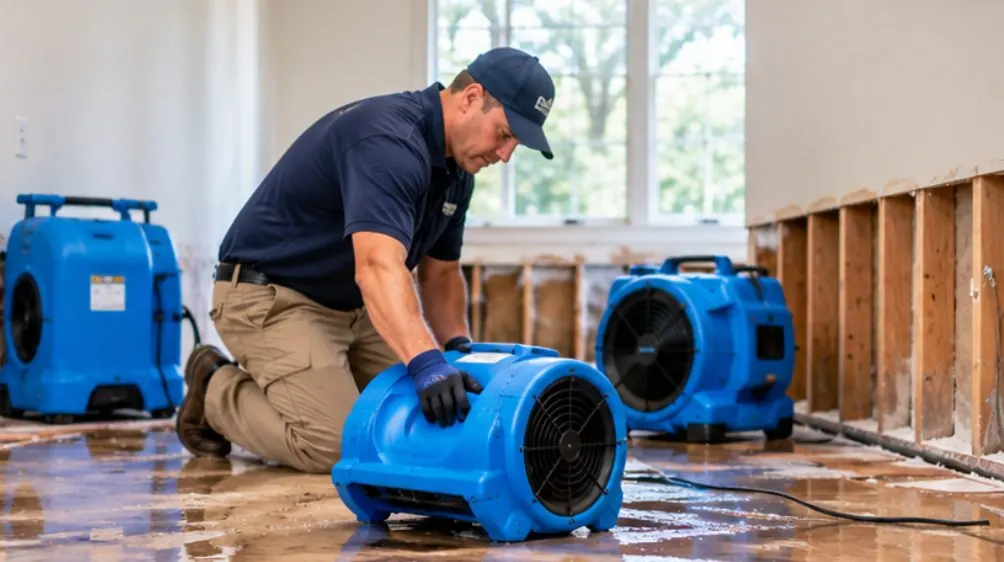
Restoration technician kneeling beside air movers and drying equipment in a water-damaged room

Looking for help after a leak, appliance failure, or flooding? Submit a request and we will connect you with an independent local contractor serving Summerville. The contractor can discuss the damage, assess the affected areas, and explain the next steps.

Water Damage Restoration in Summerville, SC

Water damage can affect a home before the full extent is visible. A leaking pipe, appliance failure, roof opening, or outside water entry may leave moisture in floors, walls, ceilings, cabinets, and other building materials. If you need help in Summerville, SC, submit a request with the details you know. This website connects your enquiry with an independent local contractor. The contractor can discuss the incident, determine whether an assessment is appropriate, explain its availability, and provide any proposed estimate. The website does not perform extraction, drying, cleaning, or repairs.

Water Damage Restoration Help for Summerville Properties

Water damage can affect flooring, walls, ceilings, cabinets, insulation, and personal belongings. The visible water is not always the full extent of the problem. Moisture may travel into adjoining rooms or remain inside building materials after the surface appears dry. A careful assessment helps establish what has been affected and what work may be appropriate.

A Local Connection for Water Damage Restoration

Water damage can be stressful, especially when you are unsure how much of your property has been affected or what needs to happen next. We make it easier to start the process by taking your service request and passing it to an independent local contractor. We do not carry out restoration work ourselves. The contractor contacts you, discusses the situation, provides an estimate and completes any work you agree to. Our purpose is to connect people looking for water damage assistance with an independent professional who can assess their particular situation. From homes around historic downtown Summerville to newer residential developments and properties throughout the surrounding community, water problems can happen in many different ways. We believe the first step should be straightforward, with clear communication about what happens after a request is submitted.

More about us
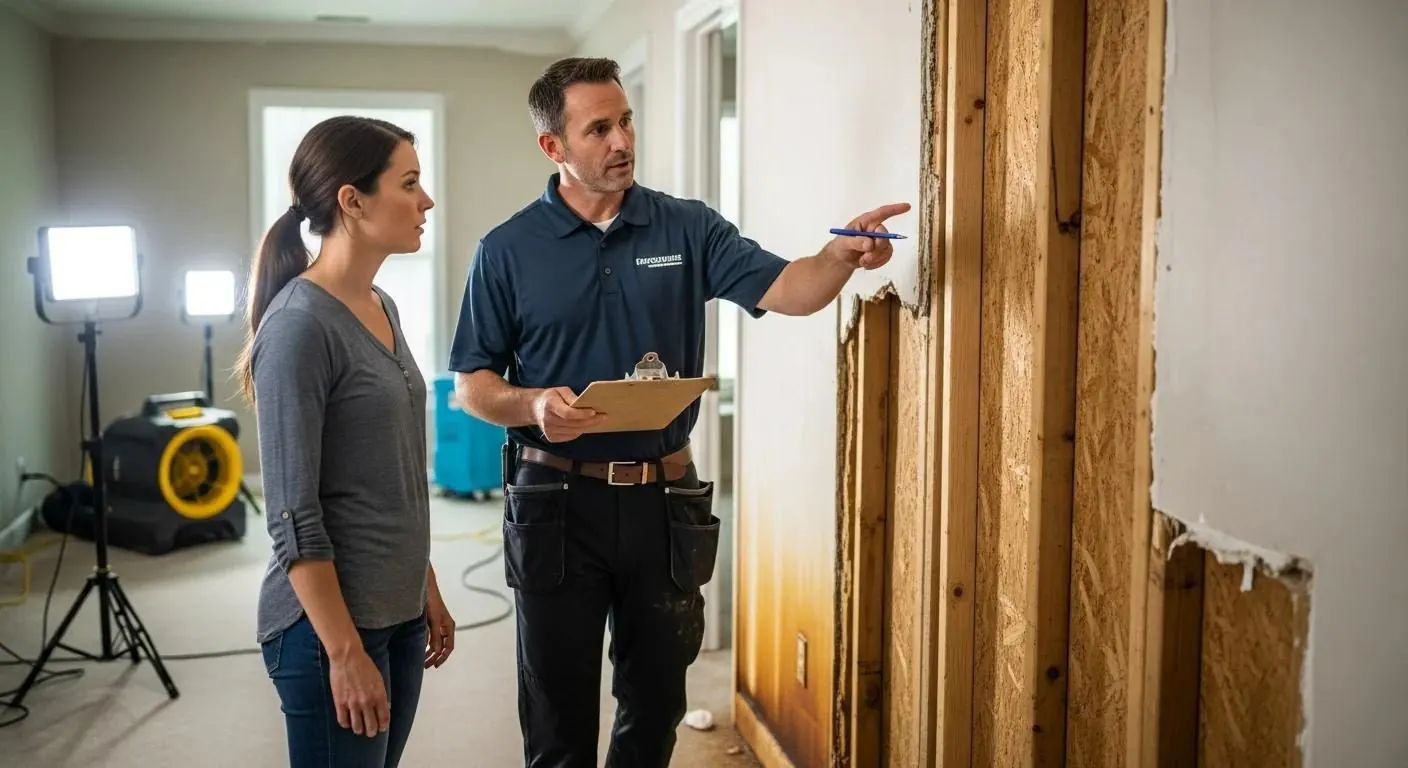
Two people inspecting exposed wall framing during a water damage assessment

Our Services

Water Damage Restoration

Learn more →

View all services

Where We Serve You

See all service areas
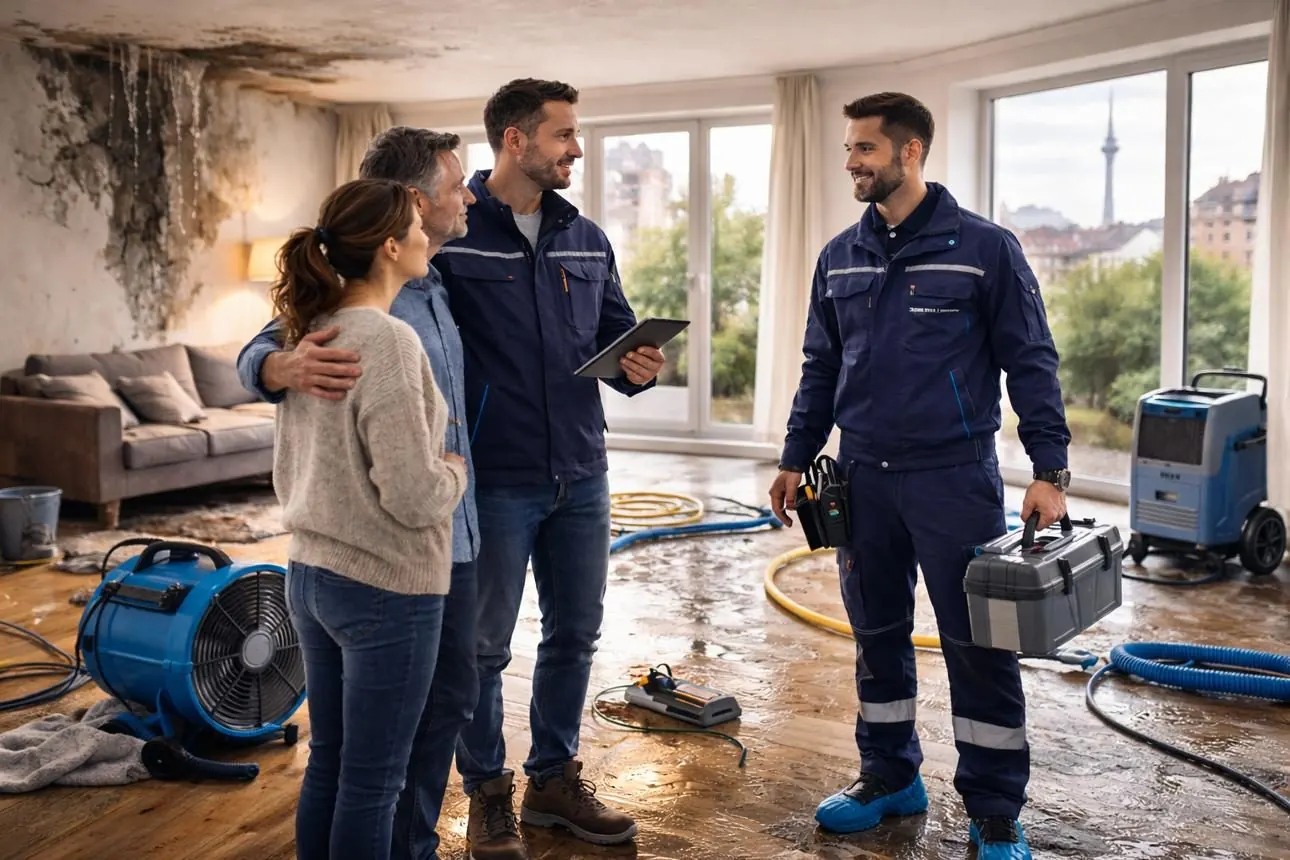
Two restoration professionals examining a water-damaged living room

Why Choose Water Damage Restoration Summerville?

Understanding the Water Damage Restoration Process

Water damage restoration involves more than simply removing visible water from a room. Depending on the source and extent of the problem, the property may need an assessment, water extraction, moisture detection, drying, cleaning and repairs to affected building materials. Understanding the process helps homeowners know what questions to ask when arranging assistance.

The first stage is identifying where the water came from and determining whether the source has been stopped. A leaking supply line, damaged appliance hose or roof leak can continue introducing moisture until the underlying problem is addressed. The contractor will need information about the incident, including when it happened, which rooms are affected and whether the water is still entering the property.

If standing water is present, extraction may be required. The contractor can assess the appropriate removal method and determine which materials need additional attention. Moisture can travel beneath flooring, behind baseboards and into wall cavities, making the visible wet area smaller than the actual affected area. Moisture detection equipment can help identify damp sections that might otherwise be overlooked.

Drying is another important part of the process. Depending on the conditions, the contractor may recommend air movement and dehumidification to help reduce moisture in building materials. Some materials may be suitable for drying, while others may require removal because of contamination or deterioration. Cleaning and repairs are considered according to the condition of the property.

The exact sequence depends on the incident. A small appliance leak will not necessarily require the same response as water entering several rooms after a severe storm. When you submit a request through Water Damage Restoration Summerville, we pass the details to an independent contractor who can discuss the circumstances and explain the next steps.

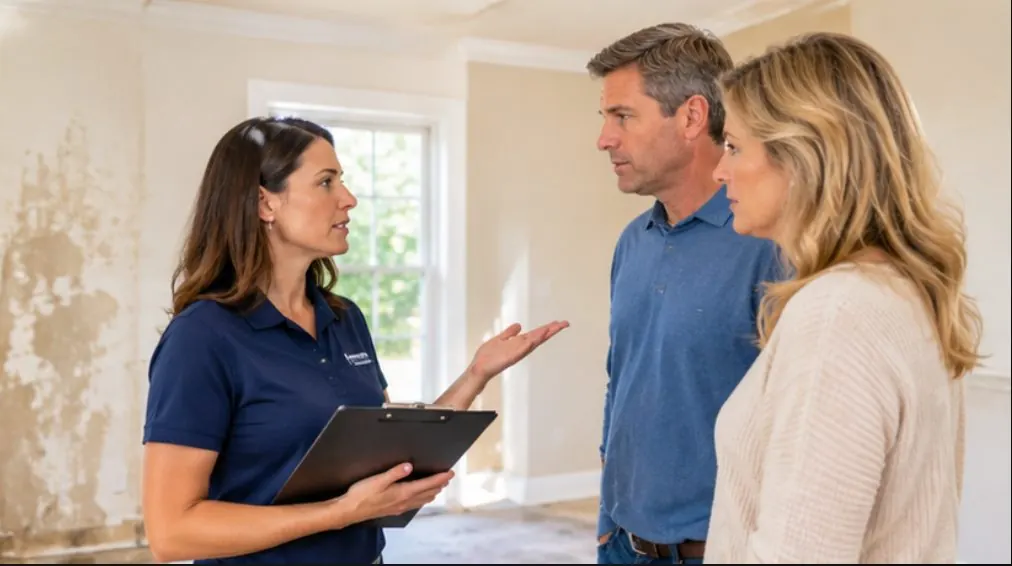
Restoration professional speaking with homeowners while holding a clipboard

Signs Your Summerville Property May Need Water Damage Restoration

Not every water problem announces itself with a flooded room. Some damage develops gradually, particularly when a leak occurs behind a wall, beneath a floor or in an area that is rarely inspected. Knowing what to look for can help property owners recognise when an assessment may be appropriate.

Visible signs include water stains on ceilings, discoloured drywall, peeling paint, bubbling wall coverings and swollen wood flooring. Baseboards may begin separating from walls, while laminate flooring can lift or develop uneven sections. Carpets may remain damp even after the original leak has stopped. These changes can indicate that moisture has travelled beyond the original source.

Odours are another reason to investigate. A persistent musty smell in a bathroom, utility room, kitchen or cupboard may suggest moisture that has not dried properly. Sometimes there is no obvious puddle or visible leak. A slow plumbing leak can remain hidden for an extended period before staining or material damage becomes noticeable.

Pay particular attention after an appliance malfunction, plumbing failure or storm. Washing machines, dishwashers, refrigerators and water heaters can all create problems if a hose, connection or internal component fails. Roof leaks may become apparent during prolonged rainfall, while water entering around windows and exterior doors can affect nearby walls and flooring.

In a humid South Carolina environment, damp materials should not simply be covered with fresh paint or new flooring without understanding the cause. Covering a stain does not address moisture that may remain inside the structure. If you notice unusual dampness, recurring staining or a persistent odour, consider having the affected area assessed. Describe what you have noticed when submitting your request so the independent contractor can better understand the situation before contacting you.

Water Damage Risks and Property Conditions Around Summerville

Summerville sits within South Carolina's Lowcountry region, where warm weather, humidity and periods of heavy rainfall can all influence how properties experience moisture problems. The local environment makes it important for homeowners to understand both sudden water incidents and slower moisture-related issues.

Properties around the historic downtown district have a different range of building characteristics from recently constructed homes in expanding residential communities. Older houses may contain original wood flooring, traditional plaster, older plumbing arrangements and building materials that require careful assessment. A water leak in an older property can affect finishes and structural components that are not immediately visible. Newer developments may have different layouts, construction materials and plumbing systems, but they are not immune to appliance failures, roof leaks or plumbing problems.

Areas around Nexton, Knightsville, Azalea Estates and other residential communities have seen different patterns of development over time. Landscaping, roof drainage, property grading and the location of drainage routes can influence where water collects around a building. Even a property that has never experienced a previous problem can encounter unexpected water intrusion during a particularly wet period.

South Carolina also experiences severe thunderstorms and tropical weather systems. Heavy rainfall can place pressure on roofs, gutters, drainage systems and low-lying areas. Water entering through a damaged roof or opening can affect ceilings, insulation and interior finishes. Groundwater and surface water issues require careful consideration because the appropriate response depends on the source and possible contamination.

No two properties should automatically be treated alike. The age of the building, the materials involved, the source of the water and the length of time the affected area has remained wet all influence the restoration approach. When requesting assistance, provide the property location and a clear description of what happened. This helps the independent contractor understand the local property context and determine what needs to be assessed.

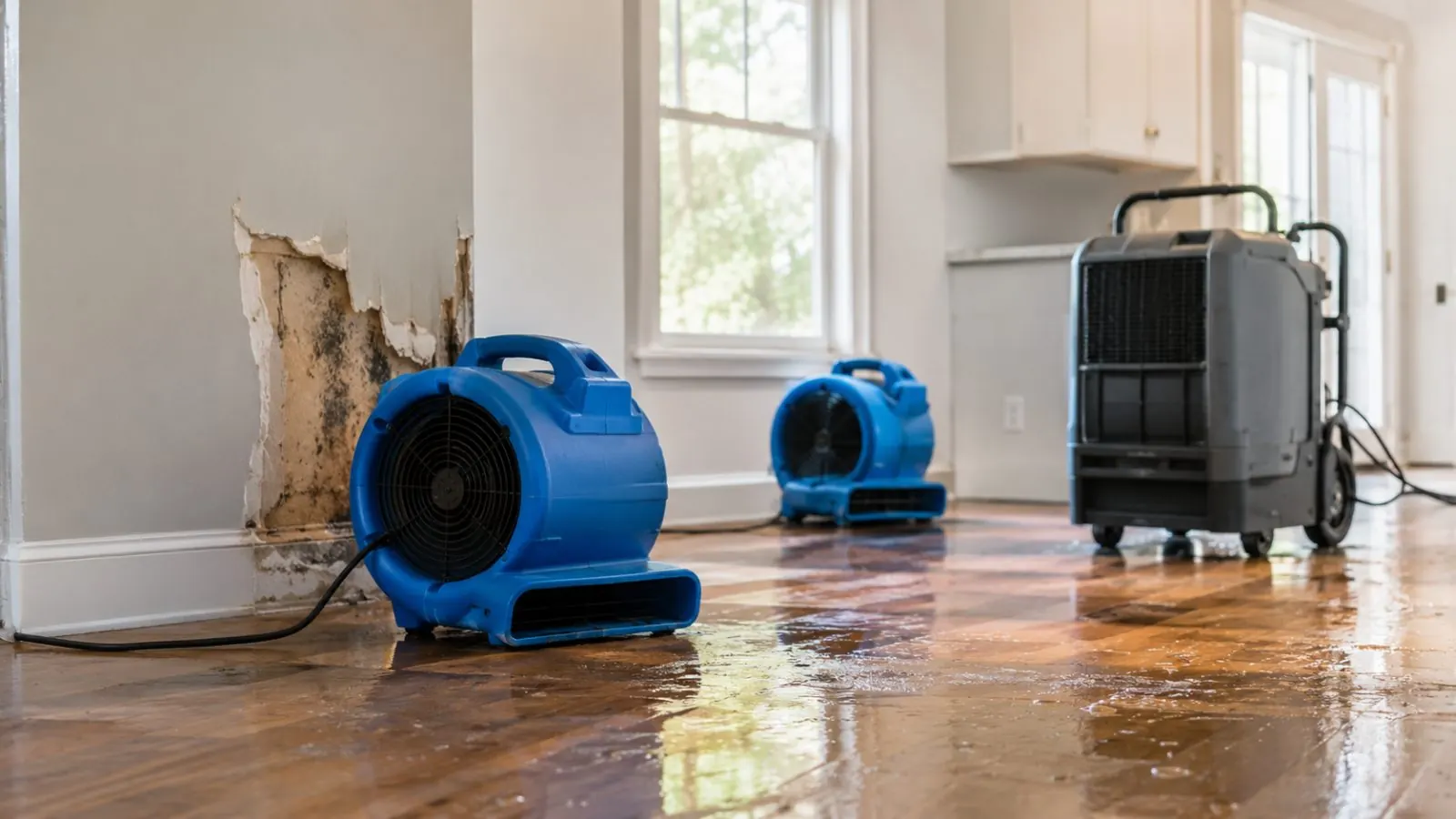
Air movers and a dehumidifier drying a residential room

What Influences a Water Damage Restoration Estimate?

Every water damage incident has its own circumstances, which means an estimate needs to reflect the actual property conditions rather than an assumed standard job. Several factors can influence the amount of work required, and understanding them can help homeowners have a more productive conversation with the contractor.

The size of the affected area is one consideration. Water contained within a small section of a kitchen may require a different approach from water that has travelled through several rooms or between floors. The location of the damage also matters. Water affecting a basement, crawl space, ceiling cavity or enclosed wall may be more difficult to access than water on an exposed hard floor.

The source and category of water are important. A clean-water plumbing leak is different from water that may contain sewage, chemicals or outdoor contaminants. The type of water affects the safety precautions, cleaning requirements and materials that may need to be removed. Homeowners should explain the source as accurately as possible and avoid entering unsafe or contaminated areas.

The materials affected can also change the scope. Carpet, hardwood, laminate, drywall, insulation, cabinets and structural wood do not respond to moisture in the same way. Some materials may be dried and retained if their condition allows, while others may need removal and replacement. The time between the incident and the assessment can influence the condition of these materials.

Other considerations include access to the affected area, the equipment required, the drying conditions and whether additional repair work is needed after moisture removal. Insurance requirements and documentation may also influence how the work is organised. The independent contractor will discuss the specific property conditions and provide an estimate for the proposed work. We do not publish assumed job prices because the actual scope needs to be considered before meaningful figures can be provided.

Choosing the Right Water Damage Restoration Contractor

Choosing someone to assess water damage is an important decision because the work can affect several parts of a property. Homeowners should look beyond the promise of quickly removing visible water and consider how the contractor approaches the complete situation.

Start by explaining the incident clearly. Tell the contractor when the water appeared, where it originated if known, whether the source has been stopped and which rooms or materials seem affected. Photographs can help communicate the visible condition, although they cannot replace an assessment of hidden moisture. If the water may be contaminated, make that clear before anyone attends the property.

Ask what the proposed assessment includes. A useful conversation should cover the affected areas, moisture detection, extraction requirements, drying arrangements and whether damaged materials may need removal. If repairs are expected, ask whether they are included in the estimate or handled as a separate stage. Understanding the scope helps avoid confusion about what the proposed work actually covers.

It is also sensible to ask how progress will be monitored. Drying is not simply a matter of leaving equipment running for an assumed period. Property conditions and moisture readings can help determine whether additional drying is needed. Ask what documentation will be provided and how any changes to the original scope will be communicated.

Before agreeing to work, review the written estimate and clarify any questions about the work, materials and responsibilities. If you intend to make an insurance claim, contact your insurer about its documentation requirements and coverage rules. Keep photographs and records of the incident where it is safe to do so.

Water Damage Restoration Summerville provides a straightforward starting point. We receive your request and pass it to an independent local contractor, who contacts you directly to discuss the situation, provide an estimate and carry out the work you approve. Taking time to understand the proposed process can help you make an informed decision about restoring your property.
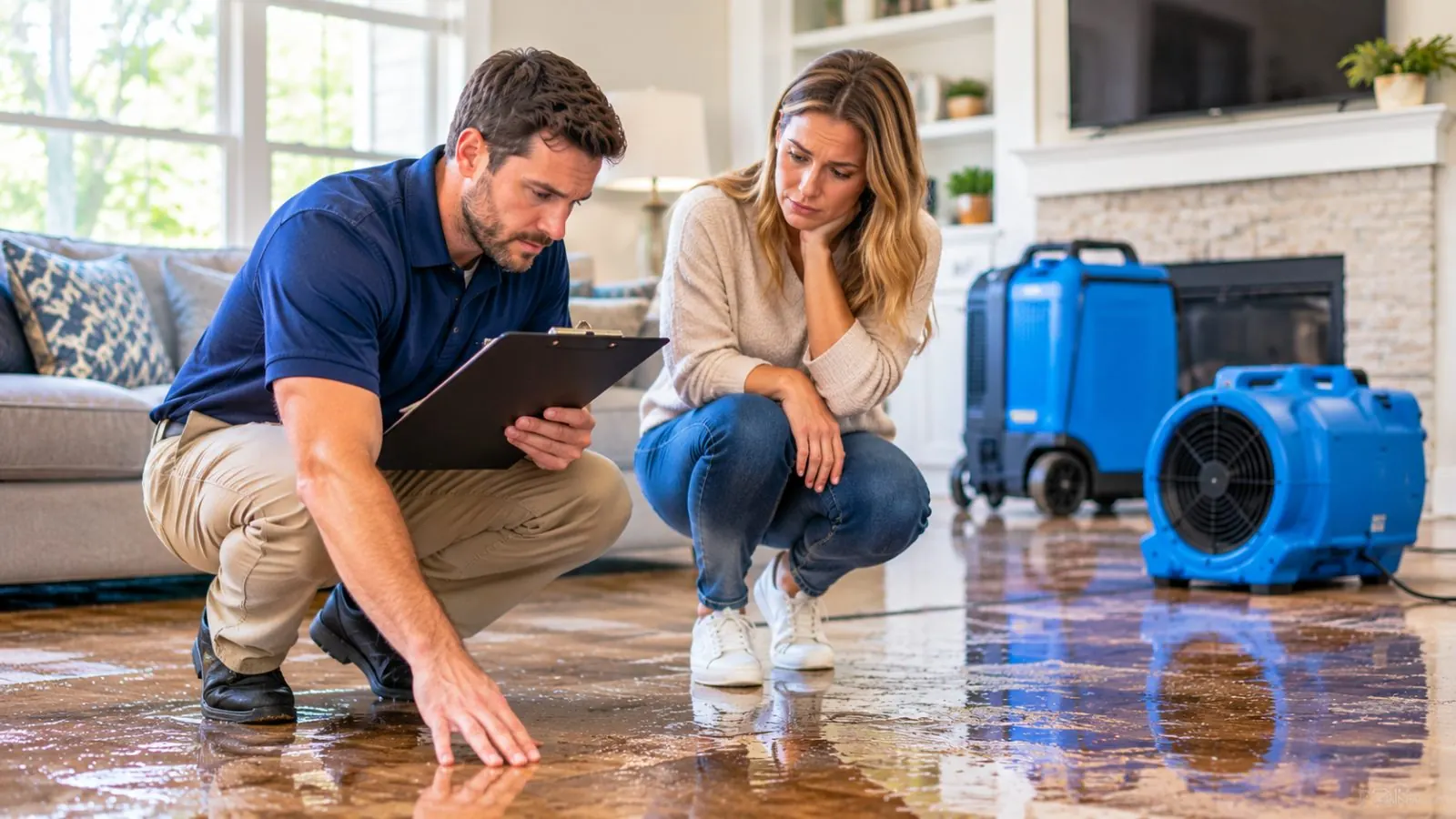
Restoration technician and homeowner inspecting a wet floor

How Your Request Works

Water Damage Restoration Summerville does not do the water damage restoration work itself. When you call or send the form, we pass your request to an independent local contractor who covers your part of South Carolina. That contractor contacts you, gives you the estimate and does the work.

See what happens after you call

Contact Us Today for a Free Estimate

Call (555) 555 5555

Free — no obligations